
Prescription intake
Define the scope, dependencies and acceptance criteria for prescription intake in the context of automated bso coding for prescription processing.
Reducing repetitive prescription administration through automation.

Reducing repetitive prescription administration through automation.
This case-study topic centers on automated bso coding for prescription processing. The published account should connect the challenge, the software response and the stated result with approved project evidence.
The solution needs to fit existing processes and data, make exceptions visible, and remain understandable to the team that operates it after launch.
These areas are drawn from the supplied case-study topic and should be validated against the full project record.
Define the scope, dependencies and acceptance criteria for prescription intake in the context of automated bso coding for prescription processing.
Define the scope, dependencies and acceptance criteria for coding logic in the context of automated bso coding for prescription processing.
Define the scope, dependencies and acceptance criteria for review exceptions in the context of automated bso coding for prescription processing.
Define the scope, dependencies and acceptance criteria for processing throughput in the context of automated bso coding for prescription processing.
Good outcomes depend on a few explicit decisions about users, data, integration and measurement.
The supplied case-study brief identifies the subject and stated outcome. Detailed challenge and delivery evidence should be added from approved project material.
Architecture and workflow decisions vary by engagement; the case-study record should document only those confirmed by the project team.
Any published metric should keep its approved context, measurement period and source.
A clear path from business context to implementation and ongoing improvement.
Clarify the users, business goal, existing systems and constraints.
Map workflows, data, architecture, priorities and a practical delivery plan.
Deliver in visible increments with review, testing and integration.
Measure use, resolve friction and evolve the system responsibly.
The supplied case-study brief identifies the subject and stated outcome. Detailed challenge and delivery evidence should be added from approved project material.
Architecture and workflow decisions vary by engagement; the case-study record should document only those confirmed by the project team.
Any published metric should keep its approved context, measurement period and source.
Follow the path from capability to implementation.
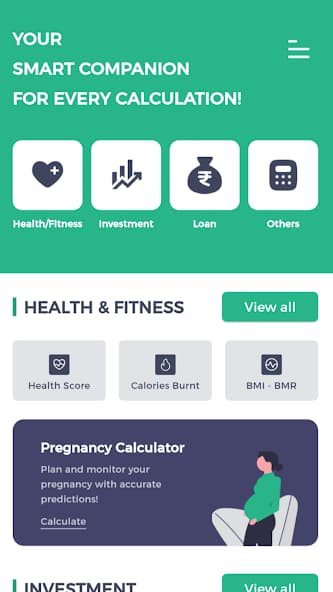
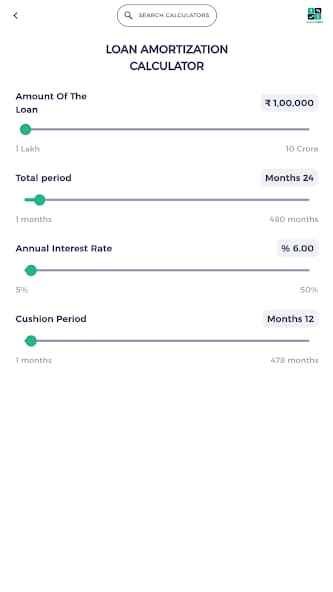
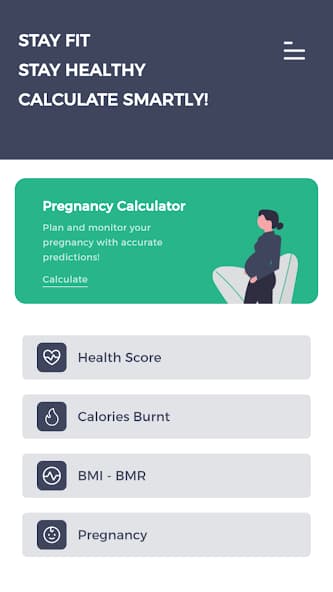
An offline-first Android app from GenZille Labs with finance, health and everyday calculators.
Explore ↗
A connected platform for direct selling operations and real-time recognition.
Explore ↗
A tailored CRM that brings travel enquiries, lead status and follow-up into one team workflow.
Explore ↗Tell us about your product, operational challenge or engineering need.